Best E-Waste Disposal Methods for Corporates (India Guide)
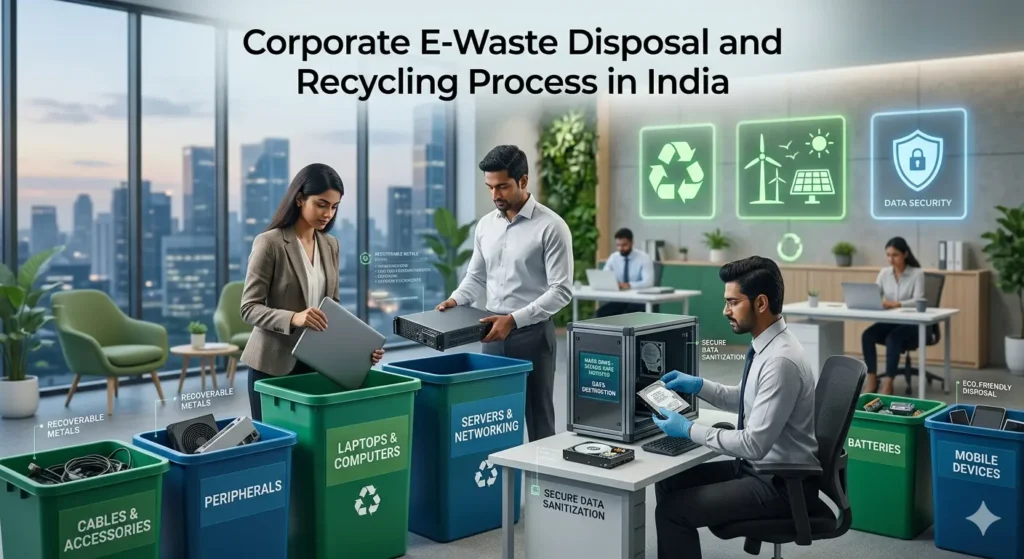
Electronic waste is one of the fastest-growing waste streams in the corporate world. From outdated laptops to decommissioned servers, businesses generate large volumes of discarded electronics every year. The best way for corporates to dispose of e-waste is by partnering with authorized electronic scrap buyers and certified e waste recyclers in India who ensure secure data destruction, regulatory compliance, and environmentally responsible recycling. However, many companies still rely on informal channels—creating risks around data breaches, legal penalties, and environmental harm. In this guide, you’ll learn the most effective, compliant, and sustainable e-waste disposal methods for corporates in India. What is Corporate E-Waste Disposal? Corporate e-waste disposal is the structured process of collecting, handling, recycling, and safely disposing of electronic devices used by businesses, while ensuring compliance with government regulations and data security standards. In today’s digital-first environment, companies depend heavily on: Laptops and desktops Servers and storage systems Networking equipment Office electronics Eventually, these assets reach end-of-life—and that’s where electronic waste collectors and professional recyclers come in. Why Proper E-Waste Disposal Matters for Corporates Proper e-waste disposal helps corporates prevent data breaches, comply with Indian laws, reduce environmental impact, and enhance their brand reputation through sustainable practices. Improper disposal isn’t just a sustainability issue—it’s a business risk. Key Risks of Poor E-Waste Management Risk Area Impact on Business Data Security Confidential data leaks Legal Compliance Penalties under Indian regulations Environmental Damage Toxic contamination Brand Reputation Loss of trust Best E-Waste Disposal Methods for Corporates Let’s break down the most effective strategies businesses should adopt. Partner with Authorized Electronic Scrap Buyers The most reliable e-waste disposal method is working with authorized electronic scrap buyers who provide end-to-end services including collection, recycling, and certification. Authorized vendors ensure: Government-compliant processes Safe material handling Transparent recycling chain Proper documentation Unlike informal scrap dealers, certified e waste recyclers India follow strict environmental and safety standards. Implement a Structured IT Asset Disposal (ITAD) Strategy IT Asset Disposal (ITAD) is the backbone of corporate e-waste management. What it includes: Asset tracking Secure decommissioning Data wiping Responsible recycling IT asset disposal ensures secure removal and recycling of corporate IT equipment while protecting sensitive data and maintaining compliance. A strong ITAD policy reduces risks and improves operational efficiency. Use Professional Office Dismantling Services When companies relocate or upgrade, they generate bulk e-waste. Benefits of dismantling services: Safe removal of equipment Organized segregation Faster execution Compliance assurance In-House vs Professional Dismantling Factor In-House Handling Professional Services Efficiency Low High Compliance Risky Fully compliant Time Slow Fast Safety Limited High Professional office dismantling services ensure nothing slips through the cracks. Ensure Secure Data Destruction This is non-negotiable. Even a single hard drive can contain: Financial records Client data Internal communications Secure data destruction in e-waste disposal involves methods like data wiping, degaussing, and physical destruction to prevent unauthorized access. Common Methods: Data wiping (software-based) Degaussing (magnetic erasure) Physical shredding Always choose vendors that provide certificates of destruction. Adopt a Circular Economy Approach Forward-thinking companies don’t just dispose—they optimize. Circular practices include: Refurbishing devices Reselling usable equipment Donating working assets Benefits: Approach Business Impact Reuse Cost savings Recycling Sustainability Donation CSR value A circular economy approach in e-waste management focuses on reusing, refurbishing, and recycling electronics to reduce waste and maximize resource efficiency. Conduct Regular E-Waste Audits You can’t manage what you don’t track. Audit Benefits: Identify unused assets Reduce unnecessary purchases Plan disposal cycles Improve compliance E-waste audits help corporates track outdated electronics and ensure timely, compliant disposal through authorized channels. Choosing the Right E-Waste Partner Not all vendors are equal. Checklist for Selecting Electronic Waste Collectors Government authorization End-to-end services Data destruction capability Documentation & certification Transparent pricing Authorized vs Informal Scrap Buyers Criteria Authorized Recyclers Informal Buyers Compliance ✔ Yes ✖ No Data Security ✔ High ✖ Risky Environmental Safety ✔ Safe ✖ Hazardous Documentation ✔ Provided ✖ None Choosing the wrong partner can cost far more than it saves. Benefits of Professional E-Waste Disposal Services Working with certified e waste recyclers India offers: Regulatory compliance End-to-end convenience Secure data handling Environmental responsibility Audit-ready documentation Professional e-waste disposal services simplify compliance, enhance data security, and ensure environmentally responsible recycling for corporates. Common Challenges Corporates Face Despite awareness, many businesses struggle due to: Lack of internal processes Dependency on informal channels Limited awareness of regulations The solution?Standardization + professional partnerships. Role of WeWorkGreen in Corporate E-Waste Management WeWorkGreen provides comprehensive solutions tailored for corporates, including: IT asset disposal Office dismantling Secure data destruction Recycling & certification Their end-to-end approach ensures: Compliance with Indian laws Safe handling of materials Transparent processes For businesses, this means less risk and more control. Future of E-Waste Disposal in India The landscape is evolving rapidly. Key Trends: Stricter regulations Rising ESG expectations Advanced recycling technologies Increased corporate accountability The future of e-waste disposal in India will be driven by stricter regulations, advanced recycling technologies, and increased corporate focus on sustainability. Businesses that act early will gain a competitive advantage. Final Thoughts E-waste disposal is no longer a backend operation—it’s a strategic responsibility. By: Partnering with trusted electronic scrap buyers Implementing ITAD processes Ensuring secure data destruction Adopting circular practices …corporates can transform waste management into a sustainability advantage. FAQs 1. Who are electronic scrap buyers? Electronic scrap buyers are authorized vendors who collect and recycle discarded electronic devices while ensuring compliance and safe processing. 2. What is the safest way to dispose of corporate e-waste? The safest method is to work with certified e waste recyclers in India that offer secure data destruction and compliance documentation. 3. Why is data destruction important in e-waste disposal? It prevents sensitive business information from being accessed or misused after disposal. 4. Are companies legally required to manage e-waste in India? Yes, corporates must follow E-Waste Management Rules and ensure disposal through authorized channels. 5. What happens to recycled e-waste? It is dismantled, hazardous materials are treated safely, and valuable components like metals are recovered for reuse.
How E-Waste Collection Works (Step-by-Step)
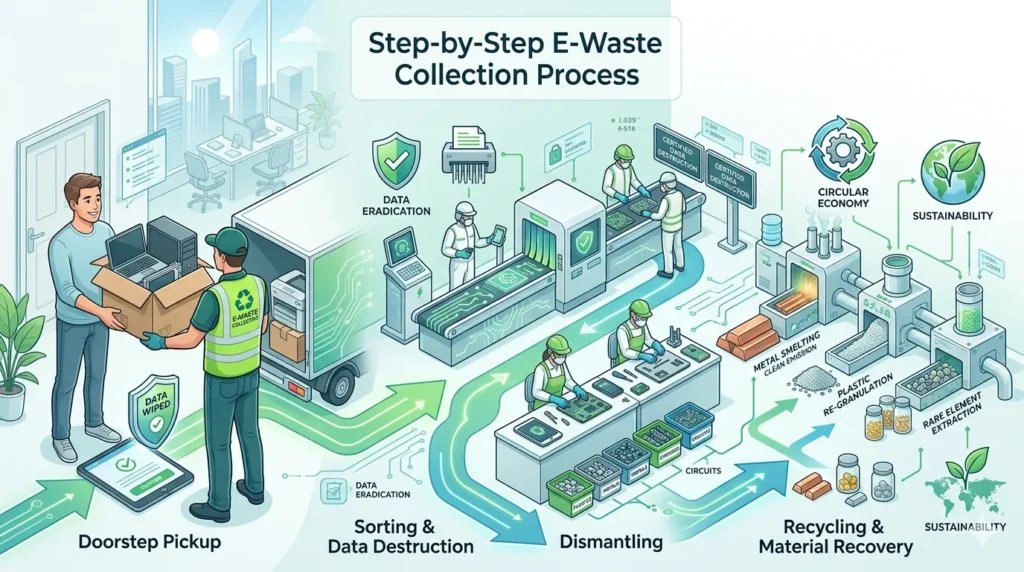
A complete guide to managing technology waste responsibly E-waste collection works through a structured process: Schedule pickup Assess and document items Doorstep collection Secure data destruction Transportation to authorized facility Sorting and segregation Dismantling and material recovery Responsible disposal This process ensures safe e waste disposal, protects data, and supports an efficient waste management system. Introduction: Why Technology Waste Needs Attention In today’s fast-paced digital world, devices become obsolete faster than ever. Smartphones, laptops, servers, and appliances quickly turn into technology waste—also known as e-waste. However, this isn’t just ordinary trash. E-waste contains: Valuable materials like copper, aluminum, and gold Hazardous substances like lead and mercury If handled incorrectly, it harms both the environment and human health. That’s why structured e waste disposal and professional collection systems are essential. Moreover, with increasing awareness and regulations in India, using organized services for disposal e waste is no longer optional—it’s responsible. What is E-Waste Collection? E-waste collection is the organized process of gathering discarded electronic items and routing them for recycling or safe disposal. E-waste collection is the systematic pickup, transport, and processing of discarded electronics to ensure safe recycling, material recovery, and environmental protection. Instead of storing or dumping old devices, users can rely on professional systems that simplify computer scrap handling and ensure compliance. Step-by-Step Process of E-Waste Collection Scheduling the Pickup The process begins with booking a pickup. Users provide: Type of items (laptops, servers, etc.) Quantity Location This helps optimize logistics within the waste management system. For businesses, bulk pickup scheduling is often available. Assessment and Documentation Before collection, items are evaluated. This includes: Identifying device types Estimating volume Creating compliance records Assessment ensures transparency, regulatory compliance, and efficient recycling planning. This step is especially critical for corporate e waste disposal. Doorstep Collection Trained professionals collect items directly from your location. Benefits include: No transportation hassle Safe handling of bulky equipment Reduced environmental risk Additionally, dismantling support may be included for offices. Secure Data Destruction One of the most critical steps. Devices often contain sensitive data. Professional services ensure: Permanent data wiping Physical destruction (if required) Secure data destruction ensures zero data recovery and protects businesses from breaches. This step is non-negotiable for IT assets and computer scrap. Transportation to Recycling Facility Collected e-waste is transported to authorized facilities. Strict protocols ensure: Safe packaging Hazard-free transit Regulatory compliance Sorting and Segregation At the facility, waste is categorized into: Reusable devices Recyclable materials Hazardous components This improves efficiency and supports a circular economy. Dismantling and Material Recovery Devices are broken down into components. Recovered materials include: Metals (gold, copper, aluminum) Plastics Glass Material recovery extracts reusable resources from e-waste, reducing the need for new raw materials. This is where technology waste becomes valuable again. Responsible Disposal Remaining hazardous materials are disposed of safely. This ensures: Zero environmental contamination Compliance with regulations Sustainable waste management E-Waste Collection vs Informal Disposal Factor Professional E-Waste Collection Informal Disposal Environmental Safety High Very Low Data Security Secure destruction No protection Compliance Fully compliant Illegal/unregulated Resource Recovery Maximum Minimal Convenience Doorstep pickup Manual effort Clearly, choosing a structured waste management system makes a significant difference. Benefits of Professional E-Waste Collection Using organized e waste disposal services offers multiple advantages: Eco-friendly handling of technology waste Recovery of valuable materials Safe handling of hazardous components Secure data destruction Compliance with government regulations Convenient doorstep collection For businesses, it also enhances ESG and sustainability credentials. Why Professional Services Matter Many people still rely on informal methods like dumping or burning computer scrap. However, this leads to: Toxic emissions Soil and water contamination Health hazards Professional systems ensure: Safe recycling Legal compliance Environmental protection Future of E-Waste Collection in India India is one of the fastest-growing generators of technology waste. Key trends include: Stronger regulations Increased corporate responsibility Advanced recycling technologies Growth in organized waste management systems As awareness grows, structured disposal e waste solutions will become the norm. Frequently Asked Questions (FAQs) 1. What is the safest way to dispose of e-waste? The safest way is to use certified e waste disposal services that ensure recycling, data destruction, and compliance. 2. Can I schedule a pickup for small quantities? Yes, many providers allow pickups for both small and bulk technology waste. 3. What happens to my data after disposal? Professional services permanently erase or destroy data to prevent recovery. 4. Is e-waste recycling mandatory in India? Yes, businesses must comply with e-waste management regulations under government rules. 5. What items are considered computer scrap? Items include: Old laptops and desktops Servers Printers Hard drives Final Thoughts Managing technology waste is no longer just about disposal—it’s about responsibility. A structured waste management system ensures: Environmental safety Resource recovery Data protection By understanding how e-waste collection works, individuals and businesses can make smarter, sustainable decisions.
Top E-Waste Recycling Services in India for Businesses (2026 Guide)
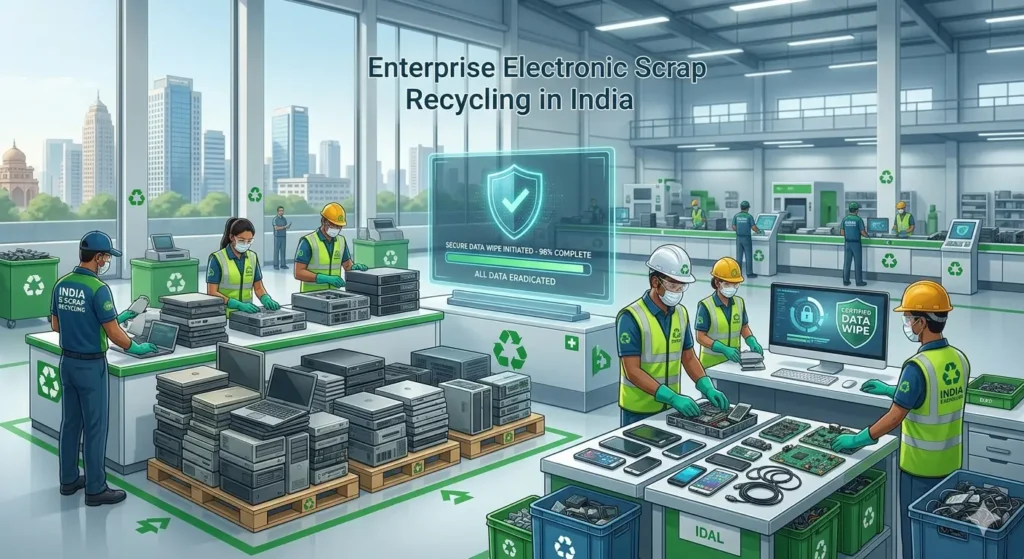
What is E-Waste Recycling & Why It Matters E-waste recycling is the process of collecting, dismantling, and recovering valuable materials from discarded electronic devices such as computers, servers, and mobile phones, while safely disposing of hazardous components. For businesses, recycling of computer waste is no longer optional—it’s a compliance, security, and sustainability necessity. The Growing Need for E-Waste Recycling in India India is one of the largest generators of electronic waste globally. As organizations scale digitally, the volume of obsolete IT assets—laptops, servers, networking equipment—continues to rise. This makes recycling of electronic waste critical for: Environmental protection Legal compliance Data security ESG (Environmental, Social, Governance) goals Improper disposal can release toxic substances like lead and mercury, while proper e waste recycling recovers valuable metals like gold and copper—turning waste into opportunity. What Businesses Should Look for in E-Waste Recycling Services (Featured Snippet) The best e-waste recycling services in India provide end-to-end solutions including collection, secure logistics, data destruction, dismantling, recycling, and compliance certification. Key evaluation factors: Government authorization (E-Waste Management Rules compliance) Secure data destruction Pan-India logistics capability Transparent documentation & certificates Sustainability practices Top E-Waste Recycling Services in India for Businesses Here’s a curated list of reliable providers offering structured waste and recycling solutions: WeWorkGreen (Recommended for Businesses) A leading provider of e-waste recycling services India, offering tailored solutions for organizations of all sizes. Key Services: IT asset disposal & recycling Secure data destruction Office dismantling Compliance documentation Why it stands out: Strong focus on compliance, sustainability, and enterprise-grade service delivery. Eco Recycling Limited (Ecoreco) One of India’s oldest organized recyclers with advanced recycling infrastructure. Best for: Large enterprises requiring bulk processing Attero Recycling A tech-driven recycler known for metal recovery innovation. Best for: High-value material recovery Gravita India Specializes in recycling and resource recovery across materials. Best for: Industrial-scale recycling needs Cerebra Integrated Technologies Offers IT asset management along with recycling services. Best for: IT lifecycle management Comparison Table: Top E-Waste Recycling Services Company Data Destruction Pan-India Presence Compliance Support Best For WeWorkGreen ✔️ Yes ✔️ Yes ✔️ Strong Businesses of all sizes Ecoreco ✔️ Yes ✔️ Yes ✔️ Strong Bulk enterprise recycling Attero ✔️ Yes ✔️ Limited ✔️ Moderate Metal recovery Gravita India ✔️ Limited ✔️ Yes ✔️ Moderate Industrial recycling Cerebra ✔️ Yes ✔️ Yes ✔️ Strong IT asset lifecycle Why Data Destruction is Non-Negotiable Data destruction ensures that sensitive business information stored in old devices is permanently erased or physically destroyed before recycling. Devices like servers and hard drives often contain: Financial records Client data Intellectual property Professional recyclers use: Data wiping (DoD standards) Shredding Degaussing This eliminates risks of data breaches and regulatory penalties. Office Dismantling & Bulk E-Waste Handling When businesses relocate or upgrade infrastructure, they generate bulk e-waste. Professional services include: Safe removal of IT equipment Dismantling of workstations Responsible recycling of electronics and furniture Providers like WeWorkGreen simplify this process, ensuring efficiency and compliance. Compliance & EPR: What Businesses Must Know India’s E-Waste Management Rules mandate responsible disposal. Extended Producer Responsibility (EPR) requires businesses to ensure that electronic waste is collected and recycled through authorized channels. Failure to comply can result in: Legal penalties Audit failures Brand damage Certified recyclers provide: Recycling certificates Audit-ready documentation Business Benefits of E-Waste Recycling Partnering with certified recyclers delivers: 1. Environmental Impact Reduces landfill waste Prevents toxic pollution 2. Cost Efficiency Avoids legal risks Recovers residual value 3. Brand Reputation Strengthens ESG positioning Builds customer trust 4. Circular Economy Contribution Promotes reuse of materials Reduces dependency on mining Risks of Informal Recycling Despite progress, a large portion of e-waste is still processed informally in India. Problems include: Toxic emissions from burning Unsafe acid extraction No compliance documentation Bottom line: Informal recycling may seem cheaper but creates long-term legal, environmental, and reputational risks. How the E-Waste Recycling Process Works Step-by-step flow: Collection from business location Secure transportation Sorting & categorization Dismantling devices Material recovery Safe disposal of hazardous waste This structured approach ensures safe and efficient recycling of computer waste. Future of E-Waste Recycling in India The sector is evolving rapidly with: Stricter regulations Growing ESG adoption Advanced recycling technologies Businesses that adopt structured e waste recycling today will stay ahead in compliance and sustainability. FAQs 1. What is the best way to recycle computer waste for businesses? The best way is to partner with certified e-waste recyclers who offer end-to-end services including collection, data destruction, and compliance documentation. 2. Is e-waste recycling mandatory in India? Yes, under E-Waste Management Rules, businesses must ensure responsible disposal through authorized recyclers. 3. How do recyclers ensure data security? They use certified methods like data wiping, shredding, and degaussing to permanently destroy data. 4. Can businesses earn from e-waste recycling? In some cases, yes. Valuable materials like copper and gold can be recovered, offering residual value. 5. What items are included in electronic waste? Computers, laptops, servers, printers, mobile phones, networking devices, and office electronics. Conclusion Managing electronic waste is now a strategic business responsibility. Choosing the right partner for recycling of electronic waste ensures: Regulatory compliance Data protection Environmental sustainability Providers like WeWorkGreen enable businesses to adopt responsible practices while contributing to a cleaner, circular economy.
What is Electronic Waste Recycling? Complete Guide for India
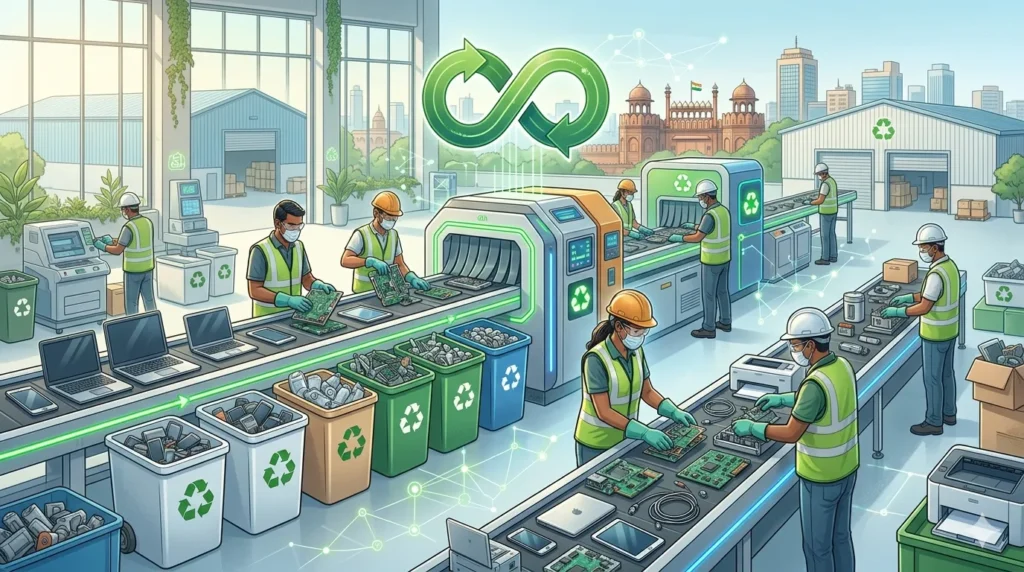
Electronic devices power modern life—but what happens when they stop working? That’s where electronic scrap becomes a critical issue. India is now one of the world’s largest generators of e-waste. Without proper e waste recycling, discarded electronics can harm both the environment and human health. At the same time, they contain valuable materials that can be recovered and reused. This guide explains electronic waste recycling in India, how it works, why it matters, and how businesses and individuals can act responsibly. What is Electronic Waste Recycling? Electronic waste recycling is the process of collecting, dismantling, and recovering valuable materials from discarded electronic devices such as computers, mobiles, and appliances while safely disposing of hazardous components. What is Electronic Scrap? Electronic scrap refers to discarded or obsolete electrical and electronic devices. These items are no longer useful due to damage, upgrades, or end-of-life cycles. Common Examples of Electronic Scrap: Mobile phones, laptops, desktops TVs, refrigerators, washing machines Printers, servers, networking equipment Batteries, cables, circuit boards Instead of dumping them, recycling waste management systems ensure these materials are processed safely. Why E-Waste Recycling is Important in India India generates millions of tonnes of electronic scrap every year. Managing this waste responsibly is essential. 📌 Why is E-Waste Recycling Important? E-waste recycling is important because it prevents toxic pollution, recovers valuable metals, reduces landfill waste, and supports a circular economy. Environmental Protection E-waste contains harmful substances like lead and mercury. Proper recycling prevents soil and water contamination. Resource Recovery Electronics contain gold, copper, and aluminum. Recycling reduces the need for mining. Reduced Landfill Waste Without proper recycling waste management, e-waste ends up in landfills or informal sectors. Circular Economy Growth Recycling promotes reuse, refurbishment, and sustainability. The Growing Need for E-Waste Management in India Several factors are accelerating the need for structured e waste recycling: Rapid technology upgrades Increasing electronic consumption Shorter product lifecycles Low awareness of safe disposal A major concern is that a large portion of electronic scrap is still handled by informal sectors using unsafe practices like burning or acid extraction. Step-by-Step Process of Electronic Waste Recycling 📌 What is the process of e-waste recycling? The e-waste recycling process includes collection, sorting, data destruction, dismantling, material recovery, and safe disposal. Collection & Transportation E-waste is collected from homes, offices, and industries. Sorting & Segregation Devices are categorized based on type and condition. Data Destruction Sensitive data is securely erased from IT devices. Dismantling Products are broken down into components. Material Recovery Metals, plastics, and glass are extracted. Safe Disposal Hazardous waste is disposed of safely. Formal vs Informal Recycling in India Factor Formal Recycling Informal Recycling Safety High (regulated) Low (unsafe methods) Environmental Impact Minimal Severe pollution Compliance Government-approved No compliance Data Security Secure destruction No protection Efficiency Advanced technology Manual processes Choosing authorized electronic waste recycling companies in India ensures safety and compliance. Government Regulations for E-Waste in India India has introduced strict policies for recycling waste management: 📌 What are India’s e-waste rules? India regulates e-waste through the E-Waste (Management) Rules and Extended Producer Responsibility (EPR), ensuring safe recycling and accountability. Key Regulations: E-Waste (Management) Rules, 2016 (and amendments) Extended Producer Responsibility (EPR) Mandatory recycling targets These rules promote responsible disposal and reduce informal handling. Challenges in Electronic Waste Recycling Despite progress, challenges remain: Informal sector dominance Lack of awareness Limited recycling infrastructure Inefficient collection systems However, awareness and compliance are steadily improving. How We Work Green Supports E-Waste Recycling We Work Green provides end-to-end solutions for electronic scrap management in India. Key Services: E-waste collection and recycling IT asset disposition Secure data destruction Office dismantling Compliance and certification Businesses partnering with professional recyclers ensure safe, compliant disposal. Benefits of Recycling Electronics Recycling electronics reduces pollution, conserves resources, saves energy, creates jobs, and supports sustainability. Key Benefits: Reduces environmental damage Conserves natural resources Saves energy Creates green jobs Promotes sustainability Best Practices for E-Waste Disposal For Individuals: Avoid storing unused devices Use authorized recyclers Donate or refurbish usable electronics For Businesses: Partner with certified recyclers Conduct regular audits Implement disposal policies Future of Electronic Waste Recycling in India The future looks promising due to: Stronger government policies Increased corporate awareness Advanced recycling technologies Expansion of formal recycling networks India is moving toward a more sustainable recycling waste management ecosystem. FAQs What is electronic scrap? Electronic scrap includes discarded electronic devices like phones, computers, and appliances that are no longer in use. How is e-waste recycled in India? E-waste is collected, dismantled, and processed to recover materials while safely disposing of hazardous components. Why should businesses use authorized recyclers? Authorized recyclers ensure compliance, data security, and environmentally safe disposal. Are there certified electronic waste recycling companies in India? Yes, several government-authorized companies provide compliant recycling services across India. What happens if e-waste is not recycled properly? Improper disposal can cause environmental pollution, health hazards, and loss of valuable resources. Conclusion Electronic scrap is one of the fastest-growing challenges in India—but also one of the biggest opportunities. With proper e waste recycling, we can: Recover valuable materials Reduce environmental damage Build a sustainable future Adopting responsible recycling waste management practices is no longer optional—it’s essential. Whether you’re an individual or a business, working with trusted electronic waste recycling companies in India ensures your waste is handled safely and responsibly.