What is Electronic Waste Recycling? Complete Guide for India
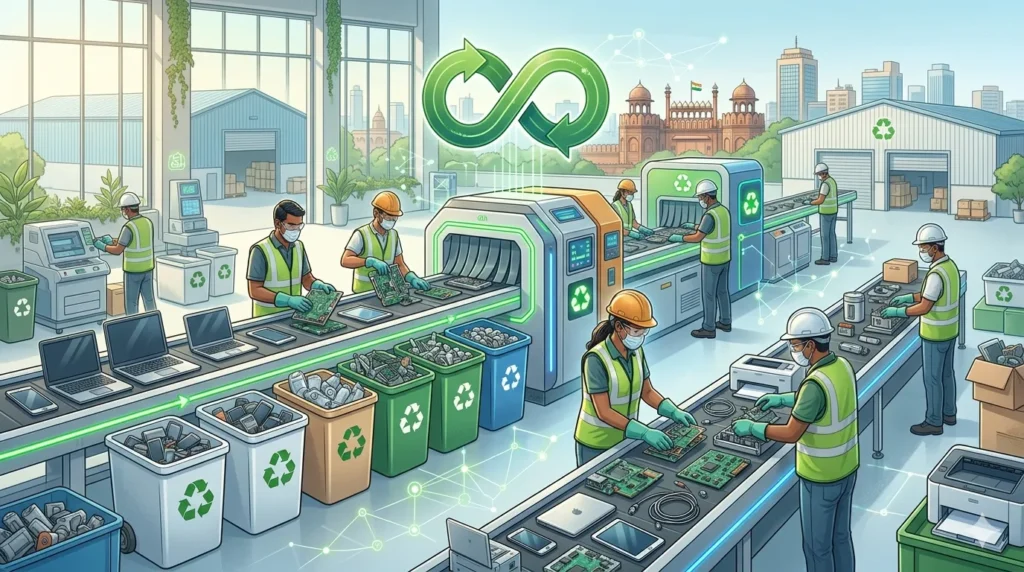
Electronic devices power modern life—but what happens when they stop working? That’s where electronic scrap becomes a critical issue. India is now one of the world’s largest generators of e-waste. Without proper e waste recycling, discarded electronics can harm both the environment and human health. At the same time, they contain valuable materials that can be recovered and reused. This guide explains electronic waste recycling in India, how it works, why it matters, and how businesses and individuals can act responsibly. What is Electronic Waste Recycling? Electronic waste recycling is the process of collecting, dismantling, and recovering valuable materials from discarded electronic devices such as computers, mobiles, and appliances while safely disposing of hazardous components. What is Electronic Scrap? Electronic scrap refers to discarded or obsolete electrical and electronic devices. These items are no longer useful due to damage, upgrades, or end-of-life cycles. Common Examples of Electronic Scrap: Mobile phones, laptops, desktops TVs, refrigerators, washing machines Printers, servers, networking equipment Batteries, cables, circuit boards Instead of dumping them, recycling waste management systems ensure these materials are processed safely. Why E-Waste Recycling is Important in India India generates millions of tonnes of electronic scrap every year. Managing this waste responsibly is essential. 📌 Why is E-Waste Recycling Important? E-waste recycling is important because it prevents toxic pollution, recovers valuable metals, reduces landfill waste, and supports a circular economy. Environmental Protection E-waste contains harmful substances like lead and mercury. Proper recycling prevents soil and water contamination. Resource Recovery Electronics contain gold, copper, and aluminum. Recycling reduces the need for mining. Reduced Landfill Waste Without proper recycling waste management, e-waste ends up in landfills or informal sectors. Circular Economy Growth Recycling promotes reuse, refurbishment, and sustainability. The Growing Need for E-Waste Management in India Several factors are accelerating the need for structured e waste recycling: Rapid technology upgrades Increasing electronic consumption Shorter product lifecycles Low awareness of safe disposal A major concern is that a large portion of electronic scrap is still handled by informal sectors using unsafe practices like burning or acid extraction. Step-by-Step Process of Electronic Waste Recycling 📌 What is the process of e-waste recycling? The e-waste recycling process includes collection, sorting, data destruction, dismantling, material recovery, and safe disposal. Collection & Transportation E-waste is collected from homes, offices, and industries. Sorting & Segregation Devices are categorized based on type and condition. Data Destruction Sensitive data is securely erased from IT devices. Dismantling Products are broken down into components. Material Recovery Metals, plastics, and glass are extracted. Safe Disposal Hazardous waste is disposed of safely. Formal vs Informal Recycling in India Factor Formal Recycling Informal Recycling Safety High (regulated) Low (unsafe methods) Environmental Impact Minimal Severe pollution Compliance Government-approved No compliance Data Security Secure destruction No protection Efficiency Advanced technology Manual processes Choosing authorized electronic waste recycling companies in India ensures safety and compliance. Government Regulations for E-Waste in India India has introduced strict policies for recycling waste management: 📌 What are India’s e-waste rules? India regulates e-waste through the E-Waste (Management) Rules and Extended Producer Responsibility (EPR), ensuring safe recycling and accountability. Key Regulations: E-Waste (Management) Rules, 2016 (and amendments) Extended Producer Responsibility (EPR) Mandatory recycling targets These rules promote responsible disposal and reduce informal handling. Challenges in Electronic Waste Recycling Despite progress, challenges remain: Informal sector dominance Lack of awareness Limited recycling infrastructure Inefficient collection systems However, awareness and compliance are steadily improving. How We Work Green Supports E-Waste Recycling We Work Green provides end-to-end solutions for electronic scrap management in India. Key Services: E-waste collection and recycling IT asset disposition Secure data destruction Office dismantling Compliance and certification Businesses partnering with professional recyclers ensure safe, compliant disposal. Benefits of Recycling Electronics Recycling electronics reduces pollution, conserves resources, saves energy, creates jobs, and supports sustainability. Key Benefits: Reduces environmental damage Conserves natural resources Saves energy Creates green jobs Promotes sustainability Best Practices for E-Waste Disposal For Individuals: Avoid storing unused devices Use authorized recyclers Donate or refurbish usable electronics For Businesses: Partner with certified recyclers Conduct regular audits Implement disposal policies Future of Electronic Waste Recycling in India The future looks promising due to: Stronger government policies Increased corporate awareness Advanced recycling technologies Expansion of formal recycling networks India is moving toward a more sustainable recycling waste management ecosystem. FAQs What is electronic scrap? Electronic scrap includes discarded electronic devices like phones, computers, and appliances that are no longer in use. How is e-waste recycled in India? E-waste is collected, dismantled, and processed to recover materials while safely disposing of hazardous components. Why should businesses use authorized recyclers? Authorized recyclers ensure compliance, data security, and environmentally safe disposal. Are there certified electronic waste recycling companies in India? Yes, several government-authorized companies provide compliant recycling services across India. What happens if e-waste is not recycled properly? Improper disposal can cause environmental pollution, health hazards, and loss of valuable resources. Conclusion Electronic scrap is one of the fastest-growing challenges in India—but also one of the biggest opportunities. With proper e waste recycling, we can: Recover valuable materials Reduce environmental damage Build a sustainable future Adopting responsible recycling waste management practices is no longer optional—it’s essential. Whether you’re an individual or a business, working with trusted electronic waste recycling companies in India ensures your waste is handled safely and responsibly.