Best E-Waste Disposal Methods for Corporates (India Guide)
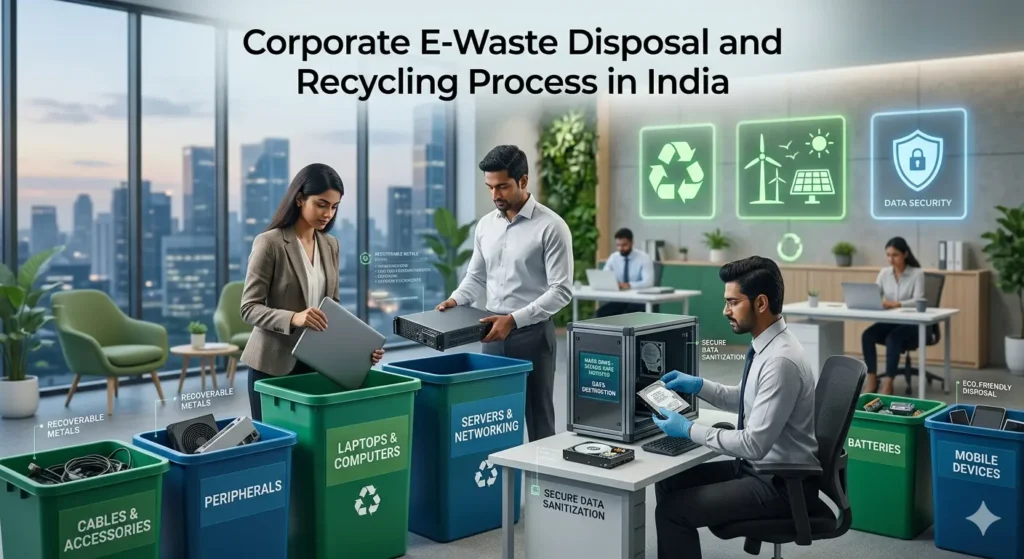
Electronic waste is one of the fastest-growing waste streams in the corporate world. From outdated laptops to decommissioned servers, businesses generate large volumes of discarded electronics every year. The best way for corporates to dispose of e-waste is by partnering with authorized electronic scrap buyers and certified e waste recyclers in India who ensure secure data destruction, regulatory compliance, and environmentally responsible recycling. However, many companies still rely on informal channels—creating risks around data breaches, legal penalties, and environmental harm. In this guide, you’ll learn the most effective, compliant, and sustainable e-waste disposal methods for corporates in India. What is Corporate E-Waste Disposal? Corporate e-waste disposal is the structured process of collecting, handling, recycling, and safely disposing of electronic devices used by businesses, while ensuring compliance with government regulations and data security standards. In today’s digital-first environment, companies depend heavily on: Laptops and desktops Servers and storage systems Networking equipment Office electronics Eventually, these assets reach end-of-life—and that’s where electronic waste collectors and professional recyclers come in. Why Proper E-Waste Disposal Matters for Corporates Proper e-waste disposal helps corporates prevent data breaches, comply with Indian laws, reduce environmental impact, and enhance their brand reputation through sustainable practices. Improper disposal isn’t just a sustainability issue—it’s a business risk. Key Risks of Poor E-Waste Management Risk Area Impact on Business Data Security Confidential data leaks Legal Compliance Penalties under Indian regulations Environmental Damage Toxic contamination Brand Reputation Loss of trust Best E-Waste Disposal Methods for Corporates Let’s break down the most effective strategies businesses should adopt. Partner with Authorized Electronic Scrap Buyers The most reliable e-waste disposal method is working with authorized electronic scrap buyers who provide end-to-end services including collection, recycling, and certification. Authorized vendors ensure: Government-compliant processes Safe material handling Transparent recycling chain Proper documentation Unlike informal scrap dealers, certified e waste recyclers India follow strict environmental and safety standards. Implement a Structured IT Asset Disposal (ITAD) Strategy IT Asset Disposal (ITAD) is the backbone of corporate e-waste management. What it includes: Asset tracking Secure decommissioning Data wiping Responsible recycling IT asset disposal ensures secure removal and recycling of corporate IT equipment while protecting sensitive data and maintaining compliance. A strong ITAD policy reduces risks and improves operational efficiency. Use Professional Office Dismantling Services When companies relocate or upgrade, they generate bulk e-waste. Benefits of dismantling services: Safe removal of equipment Organized segregation Faster execution Compliance assurance In-House vs Professional Dismantling Factor In-House Handling Professional Services Efficiency Low High Compliance Risky Fully compliant Time Slow Fast Safety Limited High Professional office dismantling services ensure nothing slips through the cracks. Ensure Secure Data Destruction This is non-negotiable. Even a single hard drive can contain: Financial records Client data Internal communications Secure data destruction in e-waste disposal involves methods like data wiping, degaussing, and physical destruction to prevent unauthorized access. Common Methods: Data wiping (software-based) Degaussing (magnetic erasure) Physical shredding Always choose vendors that provide certificates of destruction. Adopt a Circular Economy Approach Forward-thinking companies don’t just dispose—they optimize. Circular practices include: Refurbishing devices Reselling usable equipment Donating working assets Benefits: Approach Business Impact Reuse Cost savings Recycling Sustainability Donation CSR value A circular economy approach in e-waste management focuses on reusing, refurbishing, and recycling electronics to reduce waste and maximize resource efficiency. Conduct Regular E-Waste Audits You can’t manage what you don’t track. Audit Benefits: Identify unused assets Reduce unnecessary purchases Plan disposal cycles Improve compliance E-waste audits help corporates track outdated electronics and ensure timely, compliant disposal through authorized channels. Choosing the Right E-Waste Partner Not all vendors are equal. Checklist for Selecting Electronic Waste Collectors Government authorization End-to-end services Data destruction capability Documentation & certification Transparent pricing Authorized vs Informal Scrap Buyers Criteria Authorized Recyclers Informal Buyers Compliance ✔ Yes ✖ No Data Security ✔ High ✖ Risky Environmental Safety ✔ Safe ✖ Hazardous Documentation ✔ Provided ✖ None Choosing the wrong partner can cost far more than it saves. Benefits of Professional E-Waste Disposal Services Working with certified e waste recyclers India offers: Regulatory compliance End-to-end convenience Secure data handling Environmental responsibility Audit-ready documentation Professional e-waste disposal services simplify compliance, enhance data security, and ensure environmentally responsible recycling for corporates. Common Challenges Corporates Face Despite awareness, many businesses struggle due to: Lack of internal processes Dependency on informal channels Limited awareness of regulations The solution?Standardization + professional partnerships. Role of WeWorkGreen in Corporate E-Waste Management WeWorkGreen provides comprehensive solutions tailored for corporates, including: IT asset disposal Office dismantling Secure data destruction Recycling & certification Their end-to-end approach ensures: Compliance with Indian laws Safe handling of materials Transparent processes For businesses, this means less risk and more control. Future of E-Waste Disposal in India The landscape is evolving rapidly. Key Trends: Stricter regulations Rising ESG expectations Advanced recycling technologies Increased corporate accountability The future of e-waste disposal in India will be driven by stricter regulations, advanced recycling technologies, and increased corporate focus on sustainability. Businesses that act early will gain a competitive advantage. Final Thoughts E-waste disposal is no longer a backend operation—it’s a strategic responsibility. By: Partnering with trusted electronic scrap buyers Implementing ITAD processes Ensuring secure data destruction Adopting circular practices …corporates can transform waste management into a sustainability advantage. FAQs 1. Who are electronic scrap buyers? Electronic scrap buyers are authorized vendors who collect and recycle discarded electronic devices while ensuring compliance and safe processing. 2. What is the safest way to dispose of corporate e-waste? The safest method is to work with certified e waste recyclers in India that offer secure data destruction and compliance documentation. 3. Why is data destruction important in e-waste disposal? It prevents sensitive business information from being accessed or misused after disposal. 4. Are companies legally required to manage e-waste in India? Yes, corporates must follow E-Waste Management Rules and ensure disposal through authorized channels. 5. What happens to recycled e-waste? It is dismantled, hazardous materials are treated safely, and valuable components like metals are recovered for reuse.